OpenAI Turns Codex Into a Full Autonomous Work Agent With Computer Use and Memory
OpenAI upgraded Codex with computer use on Mac, 90+ plugins, image generation, and memory.

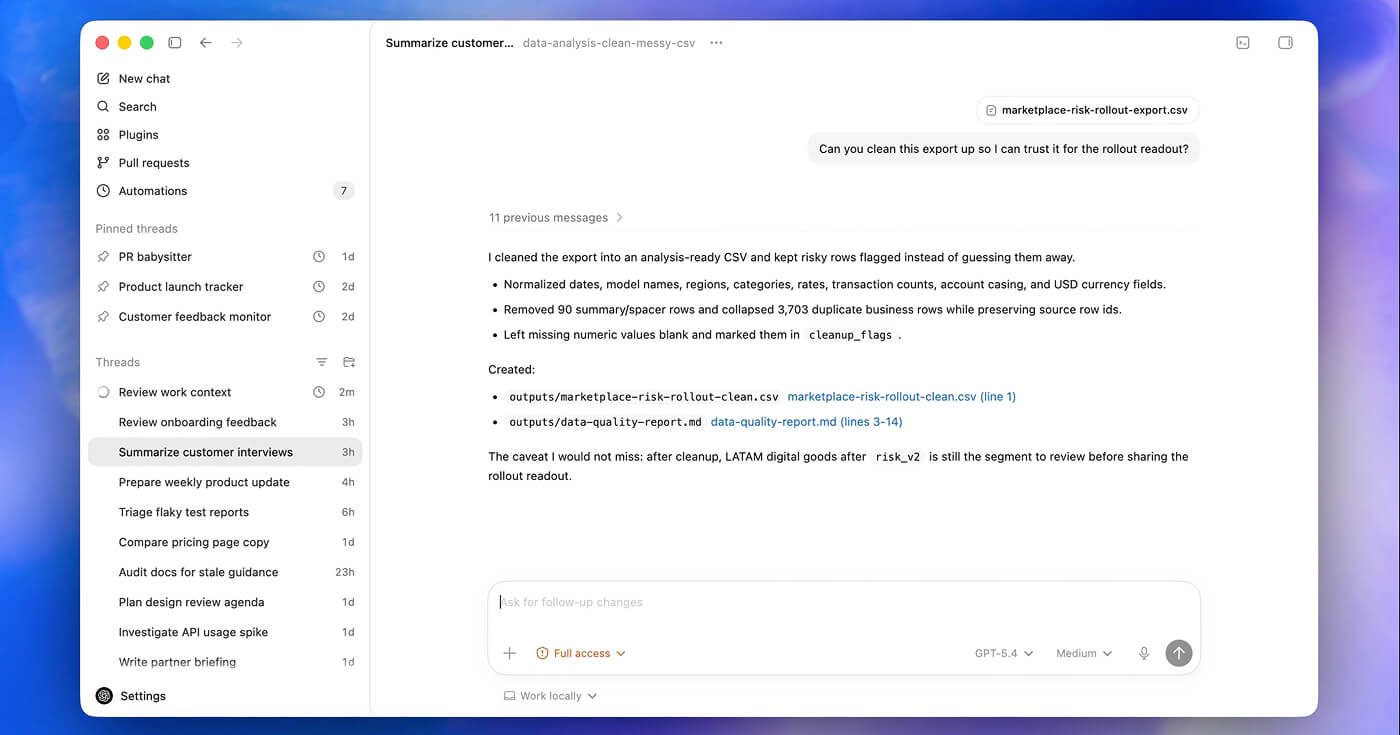


OpenAI upgraded Codex with computer use on Mac, 90+ plugins, image generation, and memory.
OpenAI released a major update to Codex, expanding it from a coding agent into a full autonomous work companion that can operate a Mac, browse the web, generate images, and carry on tasks across days with no human intervention.
The company says 3 million developers use Codex every week, and the update marks the most significant capability expansion since the tool relaunched in May 2025.
The Codex name dates back to 2021, when OpenAI first released a code-completion model that Microsoft licensed to power GitHub Copilot. That original Codex disappeared from public availability in March 2023 as OpenAI shifted focus to GPT-4.
OpenAI revived the Codex brand in May 2025 as a cloud-based software engineering agent built on codex-1, a version of o3 optimized for software engineering.
The relaunched Codex ran parallel coding tasks in isolated cloud sandboxes for up to 30 minutes independently and proposed pull requests for human review.
In February 2026, OpenAI shipped a desktop app for macOS to manage multiple agents at once, calling it a "command center for agents." The April 16 update takes the next step: Codex can now operate the computer itself.
OpenAI describes the release as "Codex for (almost) everything." The update adds four major capabilities alongside a deeper set of developer workflow improvements.
Background computer use on Mac: Codex can now see, click, and type across any Mac application using its own cursor, running in the background while the user continues working in other apps. Multiple agents can operate in parallel without interference. OpenAI notes this is useful for "iterating on frontend changes, testing apps, or working in apps that don't expose an API."
In-app browser: An integrated browser, built on OpenAI's Atlas, lets users comment directly on web pages to give Codex precise instructions. OpenAI plans to expand it beyond localhost web applications over time.
Image generation via gpt-image-1.5: Codex can generate and iterate on images within the same workflow, useful for creating mockups, product visuals, and frontend designs. This capability is absent from Claude Code, Anthropic's competing coding agent.
90-plus new plugins: The update adds integrations with Atlassian Rovo for JIRA, CircleCI, CodeRabbit, GitLab Issues, Microsoft Suite, Neon by Databricks, Remotion, Render, and Superpowers. Plugins combine skills, app integrations, and MCP servers to give Codex broader context and action capabilities.
The developer workflow side of the update adds GitHub review comment handling, multiple terminal tabs, remote devbox support over SSH in alpha, and rich file previews for PDFs, spreadsheets, slides, and documents.
Memory, released in preview, lets Codex remember user preferences, corrections, and context gathered in prior sessions. OpenAI says this helps "future tasks complete faster and to a level of quality previously only possible through extensive custom instructions."
Automations have been expanded to allow reuse of existing conversation threads, so Codex can resume prior work and schedule future tasks to continue across days or weeks. OpenAI cites use cases including landing open pull requests, following up on tasks, and monitoring fast-moving conversations in Slack, Gmail, and Notion.
Codex now also proactively suggests work using context from projects, memory, and connected plugins. It can scan Google Docs for open comments, pull context from Slack and a codebase, and present a prioritized action list at the start of a work session.
"This is the most loved internal product we've ever had. It's been totally an amazing thing for us to be using recently at OpenAI." — Sam Altman, CEO at OpenAI (VentureBeat, February 2026)
OpenAI said the goal is to narrow "the gap between what people can imagine and what they can build," positioning Codex as moving closer to the tools, workflows, and decisions involved in building software.
Reaction from developers on Product Hunt centered on the workflow angle:
"Codex is no longer just a coding assistant, it's becoming a full workflow agent. It solves context switching and manual work by operating your computer, integrating with tools, and automating ongoing tasks." — Product Hunt commenter on Codex 2.0 launch (Product Hunt)
The April 16 Codex update landed the same day Anthropic released Claude Opus 4.7, the latest version of its flagship model.
SiliconAngle described Claude Code as the "de facto leader" among most businesses for AI coding, noting that Anthropic posted the largest enterprise share increase of any frontier lab since May 2025 with a 25% growth rate. Andreessen Horowitz data from early 2026 shows 44% of Global 2000 enterprises now use Anthropic in production, up sharply from a year earlier, even as 78% use OpenAI models.
Anthropic had already given Claude Code and its Cowork product the ability to remotely control computers in March 2026. The Cursor 3 desktop IDE runs agents but lacks autonomous Mac-level computer control. Devin from Cognition operates as a fully autonomous cloud agent with no desktop integration.
Codex's key differentiators over these alternatives now include image generation (absent from Claude Code), background parallel computer use on Mac while the user keeps working, and a unified app combining coding, browsing, image generation, and task automation in one interface.
In October 2025, OpenAI acquired Sky Applications, the team behind Apple Shortcuts and the Workflow iOS app, which provided the Mac automation infrastructure now powering Codex's computer use.
OpenAI signaled the April 16 update is a step, not a destination. The blog post notes that developers "start with Codex to write code, then increasingly use it to understand systems, gather context, review work, debug issues, coordinate with teammates, and keep longer-running work moving."
Computer use is initially available on macOS only, with an EU and UK rollout pending. Memory and proactive suggestions are rolling out to Enterprise and Edu users first.
OpenAI has separately published plans suggesting Codex could eventually consolidate ChatGPT, Atlas, and its coding tools into a single unified application. Whether Codex becomes a productivity super-app or remains a developer-focused tool will depend on how broadly teams use its automation and computer use capabilities outside of pure software engineering work.

Anthropic's Claude Managed Agents launches in public beta, promising to cut AI agent deployment from months to days with managed cloud infrastructure and built-in orchestration.
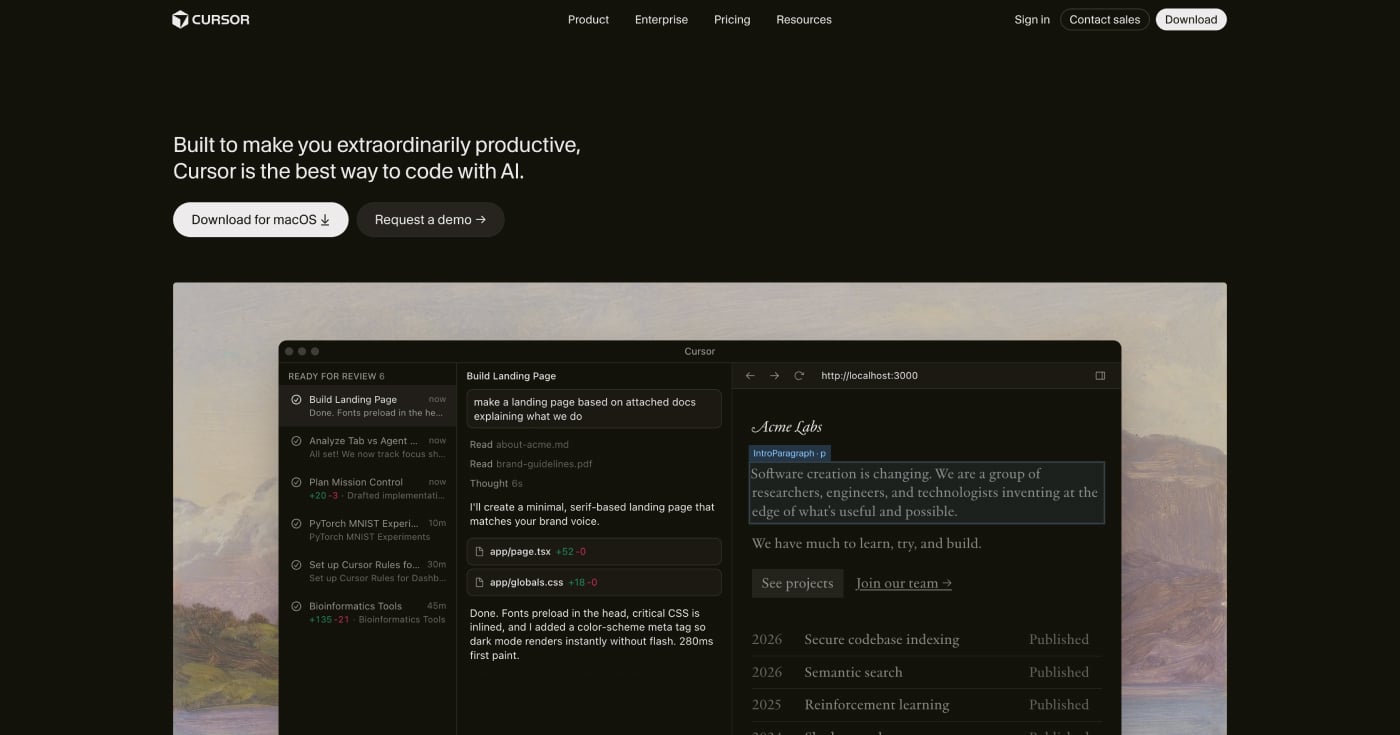
Cursor 3 introduces the Agents Window, a unified workspace for running parallel AI coding agents locally and in the cloud.
Google launches Gemma 4 in four sizes under Apache 2.0, built on Gemini 3 architecture. The 31B model ranks #3 among all open models on Arena AI.